Step 1: Stop the Water Source (0 to 15 Minutes)
- Shut off the main water valve. In most Belleville homes it is located near the front foundation wall, the water heater, or the meter pit.
- If the source is an appliance, close the local angle stop (1/4 turn clockwise).
- For roof or storm intrusion, move belongings out of the drip zone and place buckets. Do not climb onto a wet roof.
- Cut electrical power to affected rooms at the breaker if water is within 3 feet of any outlet.
- If the main valve is corroded or will not turn, call the Belleville water utility for a curb side shutoff. Most municipalities dispatch within within 2 hours.
- Place a written note at the valve location for household members so no one reopens it before repairs are complete.
Step 2: Document Before You Touch Anything (15 to 45 Minutes)
- Take 30 to 50 wide angle photos showing every wet room from at least 2 corners.
- Shoot 10 to 20 close ups of damaged materials: drywall, baseboards, flooring seams, ceiling stains, contents.
- Record a 2 to 5 minute video walking through the loss, narrating what you see and the approximate time the damage started.
- Photograph the source itself (burst pipe, failed supply line, sewer cleanout, hail struck window).
- Save serial numbers and model tags on any damaged appliance.
- Confirm your phone's camera timestamp is enabled. Adjusters give more weight to images with embedded metadata.
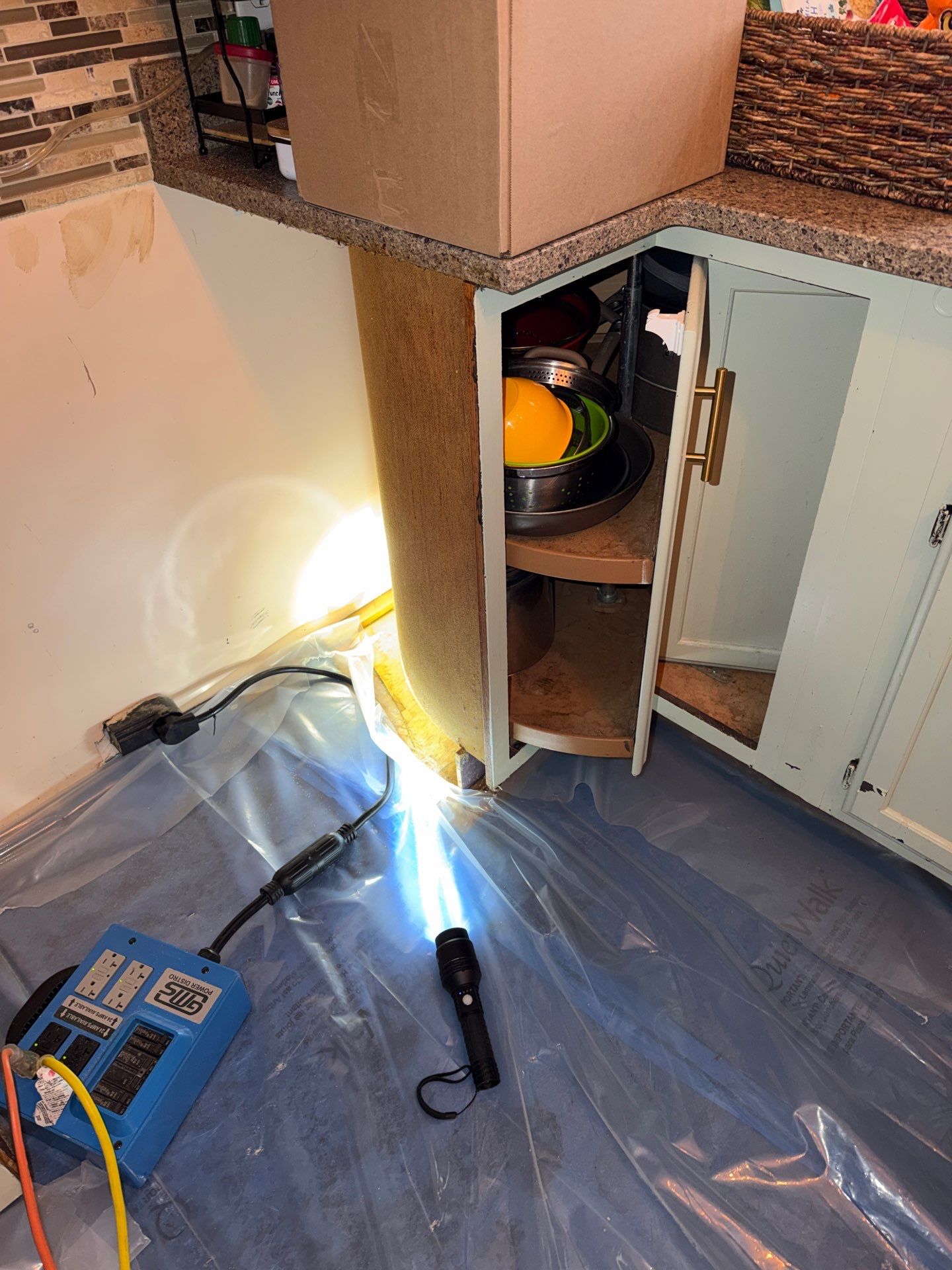
- Open closets, cabinet kicks, and vanity bases. Photograph wet substrate behind contents, not just the contents themselves.
Step 5: Build the Evidence Packet
- Itemized contents list: item, age, brand, replacement cost, photo.
- Receipts for any out of pocket spending (fans, towels, hotel, food spoilage).
- Moisture readings sheet from your restoration contractor.
- Scope of work with Xactimate or equivalent pricing.
- Cause of loss statement from a licensed plumber or roofer when applicable.
- A simple sketch or floor plan with affected rooms shaded. Hand drawn is acceptable if dimensions are labeled.
- Copy of the police or fire report if first responders were on site.
Step 7: Review the Adjuster's Estimate Line by Line
- Compare every line item to your contractor's scope.
- Flag missing items: pad and carpet removal, antimicrobial application, content manipulation, equipment days, dumpster fees.
- Request supplements in writing for anything missed. Carriers expect 1 to 3 supplements on water losses.
- Confirm depreciation is recoverable (Replacement Cost Value policies) versus actual cash value only.
- Verify overhead and profit (typically 10 and 10) is included on losses requiring 3 or more trades.
- Check that detach and reset line items are listed for toilets, vanities, and appliances in affected rooms.
Step 9: Payment and Repair Phase
- First check (ACV minus deductible) typically arrives 7 to 21 days after adjuster approval.
- Mortgage company endorsement required on checks over $5,000 to $20,000 depending on lender.
- Begin reconstruction only after mitigation is complete and moisture readings hit dry standard (within 4 percent of unaffected materials).
- Submit final invoices and depreciation recovery request within policy deadlines (commonly 180 days to 2 years).
- Hold back 10 percent of contractor payment until final walk through and punch list are signed off.
Step 4: Begin Mitigation Within 24 to 48 Hours
Your policy requires reasonable steps to prevent further damage. Failing to mitigate is the most common reason claims get reduced or denied. Bring in an IICRC certified restoration company immediately. Belleville Water Restoration dispatches inside within 2 hours across Belleville and we bill insurance directly using standard mitigation versus restoration line items that adjusters recognize.
- Extraction begins: truck mount or portable units pull standing water at 50 to 150 gallons per hour.
- Affected materials are categorized using IICRC S500 water categories: Cat 1 clean, Cat 2 grey, Cat 3 black.
- Moisture mapping with calibrated meters establishes the wet perimeter (typically 18 to 36 inches beyond visible damage).
- Air movers (1 per 50 to 60 square feet of wet flooring) and dehumidifiers (1 LGR unit per 1,000 to 1,500 square feet) are placed.
- Daily psychrometric readings are logged for the adjuster file.
- Antimicrobial is applied to Cat 2 and Cat 3 affected surfaces per S500 protocol.
- Contents are inventoried, photographed, and either dried on site or transported to a climate controlled facility.
Common Filing Mistakes That Reduce Settlements
- Throwing away damaged materials before the adjuster inspects. Bag and label, do not discard.
- Accepting the first estimate without supplement review. Initial scopes are conservative by design.
- Using a non-IICRC contractor. Carriers question undocumented drying.
- Mixing repair and mitigation invoices on one line. Keep them separate for clean reimbursement.
- Missing the proof of loss deadline, typically 60 days from request. Calendar it the day you file.
Step 10: Close the File
- Obtain a written closure letter from the carrier.
- Retain all documentation for 7 years minimum.
- Update your home inventory and consider raising coverage limits if you maxed out a sub limit.
- Review your policy renewal for premium changes. A single water claim can adjust rates 5 to 15 percent at next term.
Step 8: Coverage Verification Checklist
- Sudden and accidental discharge: usually covered.
- Long term seepage over 14 days: usually excluded.
- Sewer backup: requires separate endorsement on most policies.
- Flood from groundwater or rising surface water: requires NFIP flood policy.
- Mold: capped at $1,000 to $10,000 on most homeowner policies. See what homeowners insurance covers for the full breakdown.
- Ordinance or law (code upgrade) coverage: usually 10 percent of dwelling unless purchased higher.
- Service line endorsement: covers buried supply or sewer lines from the meter to the foundation.
Step 6: Meet the Adjuster On Site
- Schedule within 3 to 7 business days of filing.
- Have your restoration project manager present. This single step closes roughly 70 percent of pricing disputes before they start.
- Walk the loss together. Point to moisture mapped areas the eye cannot see.
- Provide the evidence packet in printed and digital form.
- Do not sign a final settlement at this visit. You are gathering information, not closing.
- Ask the adjuster to verbally confirm category of water, affected square footage, and estimated dry time before they leave.
Step 3: Call Your Insurance Carrier (Within 24 Hours)
- Use the claims phone number on your policy declarations page, not a general 800 number.
- Request a claim number in writing (text or email confirmation).
- Ask three specific questions: What is my deductible on this peril? Is mitigation covered separately from repairs? Who is my assigned adjuster and their direct line?
- Do not speculate on cause. State only what you observed.
- Log the call: date, time, representative name, claim number.
- Ask whether your policy includes Additional Living Expense (ALE) coverage and what the daily or monthly cap is. Typical ranges run $150 to $300 per day or 20 percent of dwelling coverage.
- Request the carrier's preferred document upload portal. Email attachments over 25 MB are often rejected.