Quick Answer: Mold After Water Damage
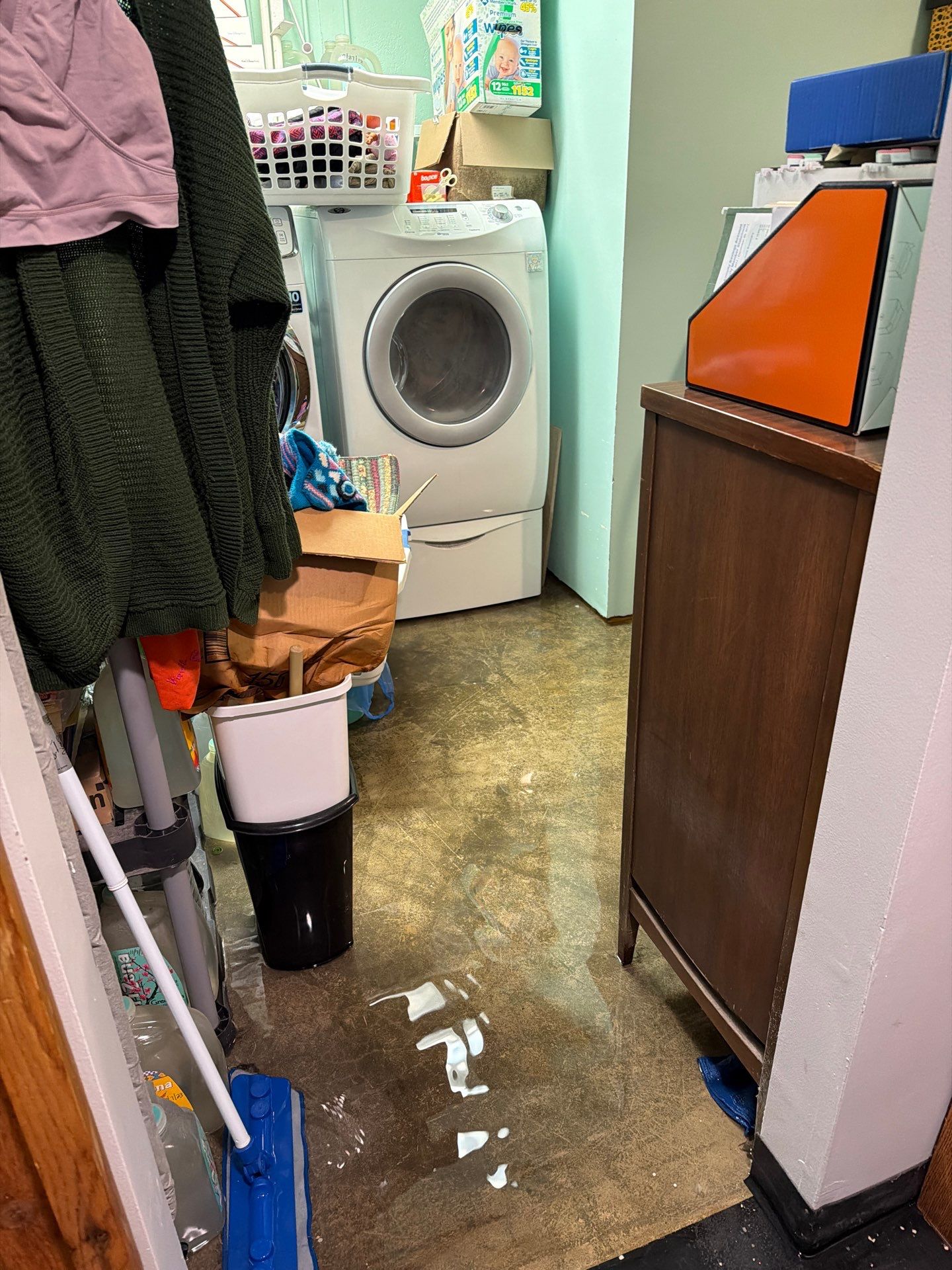
If water sat in your Belleville property for more than 24 hours, assume mold growth has started. Visible mold larger than 10 square feet, mold in HVAC systems, or sewage-related contamination requires professional remediation. Smaller surface mold on non-porous materials can sometimes be cleaned by the homeowner with proper PPE. The deciding factor is moisture: until the substrate is dried below 16% moisture content, mold will keep returning.
How Fast Mold Grows After a Leak
Mold spores are already in your home. They only need moisture, a food source (drywall, wood, dust), and temperatures between 60 and 80 degrees. Most Belleville basements and crawl spaces meet all three conditions year-round.
| Time Since Water Event | What Is Happening | Action Needed |
|---|---|---|
| 0 to 24 hours | Water absorbing into porous materials | Extract water, start drying |
| 24 to 48 hours | Spore germination begins | Professional drying, antimicrobial |
| 2 to 7 days | Visible colonies, musty odor | Containment and remediation |
| 1 to 3 weeks | Structural penetration, HVAC spread | Full IICRC S520 remediation |
When to Call a Professional Immediately
- Mold covering more than 10 square feet
- Any contamination from sewage or Category 3 water
- Mold inside HVAC ducts or air handlers
- Anyone in the home with asthma, COPD, or immune issues
- Recurring growth after DIY cleaning attempts
- Mold discovered during a real estate transaction or pre-sale inspection
For sewage-related events, the protocol changes significantly. Review our guidance on sewage cleanup before touching anything, because cross-contamination risks rise sharply with Category 3 water.
Warning Signs You Have Mold
- Musty, earthy smell that does not go away after cleaning
- Black, green, or white patches on drywall, baseboards, or ceilings
- Bubbling paint or warped trim around windows and plumbing
- Worsening allergy symptoms, headaches, or respiratory irritation indoors
- Condensation on ductwork or interior walls
- Dark spotting on the underside of subfloor in crawl spaces
- Pets avoiding rooms they used to frequent, or sneezing more than usual
- Discoloration that returns within weeks of being painted over
If you see two or more of these in your Belleville home, get an inspection. Our team at Belleville Water Restoration handles same-day assessments and can pair mold work with active water damage restoration if the source has not been fully resolved. Symptoms often intensify after closed-up periods like vacations or overnight, because spore counts rise when HVAC systems are not actively filtering and circulating air.
Cost Ranges in Belleville
| Scope | Typical Range | What It Covers |
|---|---|---|
| Small area (under 10 sq ft) | $500 to $1,500 | Surface cleaning, antimicrobial |
| Medium (10 to 100 sq ft) | $1,500 to $4,500 | Containment, partial demo, drying |
| Large (over 100 sq ft) | $4,500 to $15,000+ | Full S520 remediation, HVAC cleaning |
| Crawl space or attic | $2,000 to $8,000 | Encapsulation, structural treatment |
Insurance often covers mold when it is the direct result of a covered water loss, like a burst pipe. Long-term seepage and maintenance issues are usually excluded. If your mold started from basement flooding after a storm or sump failure, document everything before remediation begins. Photograph affected areas with timestamps, keep receipts for any emergency materials, and request the moisture log from your remediation contractor. Many Belleville policies also cap mold coverage at $5,000 or $10,000 unless you carry a specific endorsement, so review your declarations page before approving scope.
The Professional Remediation Process
Step 1: Inspection and Moisture Mapping
A certified technician uses thermal imaging and pin meters to find moisture behind walls and under flooring. Air samples may be sent to a third-party lab if cross-contamination is suspected. Mapping also identifies the original water path, which prevents the common mistake of cleaning visible growth while leaving a hidden saturated cavity behind a vanity or under a tub flange.
Step 2: Containment
Plastic barriers and negative air pressure with HEPA scrubbers prevent spores from spreading to clean areas during demolition. This step is non-negotiable under IICRC S520. For larger jobs, technicians build double-layer chambers with a decontamination zone where suits and respirators are removed before crews exit.
Step 3: Removal of Affected Materials
- Porous materials with visible growth (drywall, carpet pad, insulation) are bagged and removed
- Semi-porous framing is HEPA vacuumed and treated with antimicrobial
- Non-porous surfaces are damp-wiped with EPA-registered products
- Heavily contaminated wood may be sanded or media blasted to reach clean substrate
Step 4: Drying and Verification
Air movers and commercial dehumidifiers run until moisture readings match unaffected materials. Post-remediation verification (PRV) confirms the area is clean before rebuild. A reputable Belleville Water Restoration project includes written PRV results so future buyers, insurers, or inspectors have documentation that the work met industry standards.
Prevention Checklist for Belleville Homeowners
- Run dehumidifiers in basements and crawl spaces during humid months, targeting 30 to 50% relative humidity
- Inspect water heaters, washing machine hoses, and supply lines every 6 months
- Clean gutters twice a year and extend downspouts at least 6 feet from the foundation
- Test sump pumps quarterly and install a battery backup
- Seal crawl space vapor barriers and check for standing water monthly
- Respond to any leak within 24 hours, even small ones around toilets or under sinks
- Replace caulk around tubs, showers, and kitchen sinks when it cracks or pulls away
- Use bathroom exhaust fans for at least 20 minutes after every shower
- Keep furniture a few inches off exterior walls to allow airflow and prevent condensation pockets
What to Expect After Remediation
Once Belleville Water Restoration completes a project, expect a short reentry period while residual antimicrobial dries and any lingering odors dissipate. Most homeowners notice cleaner-smelling air within 48 hours. Keep humidity monitored for the next 60 days, since the conditions that caused the original problem can return quickly if drainage, ventilation, or plumbing issues were not addressed at the source. A follow-up inspection at the 90-day mark is a smart safeguard, especially in Belleville homes with finished basements or older crawl spaces where moisture intrusion tends to recur seasonally.